What is Digital Engineering?
Digital Engineering is concerned with engineering-driven methods, principles and techniques used to design, build, analyze, operate, manage and integrate digital systems such as software-intensive IT systems, applications and services. As interdisciplinary approach it includes:
- IT-Systems Engineering, Computer science and Software Engineering
- Data Science, Mathematics and Statistics
- Economics and Law
- Entrepreneurship and Innovation Management
Digital Engineering investigates and develops approaches and strategies to provide effective procedures and reliable processes for the entire life cycle of digital systems. It is not only focused on technical artifacts that are subhject of analysis, design, implementation, testing, and operation of digital systems, but also on corresponding development processes, the participating stakeholders, the needs and requirements for the system, the overall evolution of the system throughout its lifetime, and its integration into real-world processes, tasks, and economic as well as social contexts.
Digital Engineering is key to overcoming the multiple weaknesses of digital system development, known as "software crisis", which are increasingly becoming a major obstacle to the growth and operation of almost all companies as they are transforming into software-based enterprises—frequently known as "software eats the world". In a sense, Digital Engineering aims at transforming software engineering into a kind of "real engineering", e.g., through transparency for all stakeholders, effective management of teams, precise control of progress and holistic monitoring of IT developments.
Digital Engineering is not bound to specific programming languages, programming paradigms, middleware, development methodologies or development environments. Digital Engineering is supported by software analytics and software process mining, which are specific subjects of the research at the chair of Prof. Döllner.
Research and Development Initiatives
- AI Lab for IT-Systems Engineering: HPI has established a joint research lab for AI for IT systems engineering, funded by German Federal Ministry of Education and Research BMBF (2019-2021); the laboratory includes the HPI groups of Prof. Bert Arnrich, Prof. Jürgen Döllner, Prof. Tobias Friedrich, Prof. Robert Hirschfeld, Prof. Lippert, and Prof. Christoph Meinel.
- ZIM Kooperationsnetzwerk "twin4bim": HPI is member of the cooperation and research network "digital twins for building information models" of the GeoKOMM network (https://www.geokomm.de/twin4bim.html).
- GraphicsVision.AI: HPI is founding member of the not-profit international network GraphicsVision.AI that joins international research institutions and innovation driven companies and that share a common vision and interest in technologies such as Computer Graphics, Multimodal-Multimedia, Visual Interactive Digital Media, Visualization and Simulation, having a strong focus on Artificial Intelligence and Machine Vision and Learning (https://graphicsvision.ai/).
- German Deep Tech Group: A large number of former PhDs and master students work for companies of the German Deep Tech Group due its unique focus on visual computing, visual analytics, and AI technologies that form base components of their systems and applications. In this way, a number of start-ups have emerged in the past.
Research and Development Projects
AI4SE
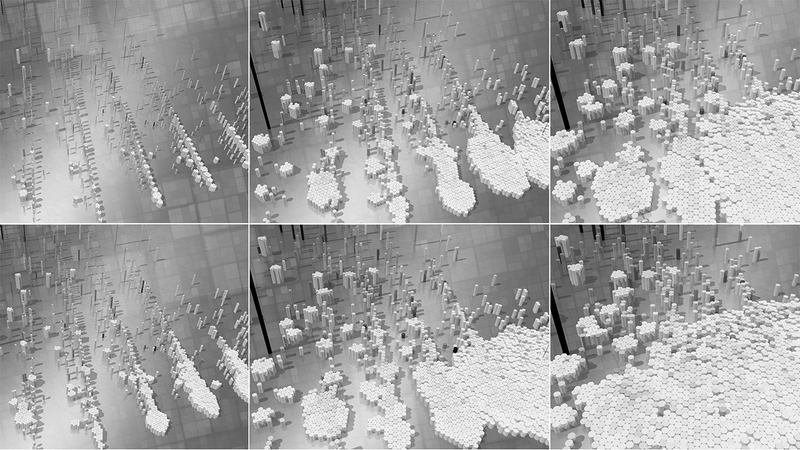
Seerene with its innovative software analytics platform and the Hasso Plattner Institute for Digital Engineering (HPI) as center of excellence for IT systems engineering are jointly conducting a study on AI for software engineering (https://www.seerene.com/ai4se).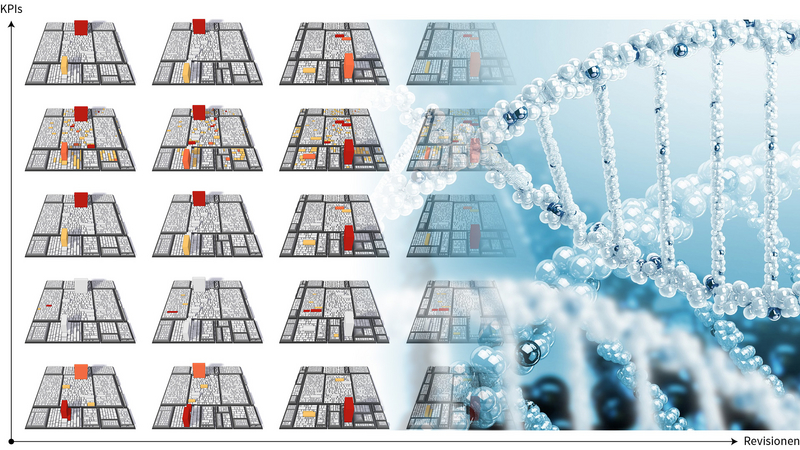
Software DNA
Software DNA investigates concepts and techniques for visualizing characteristic features of the software modules and of the related software development process ("Software DNA").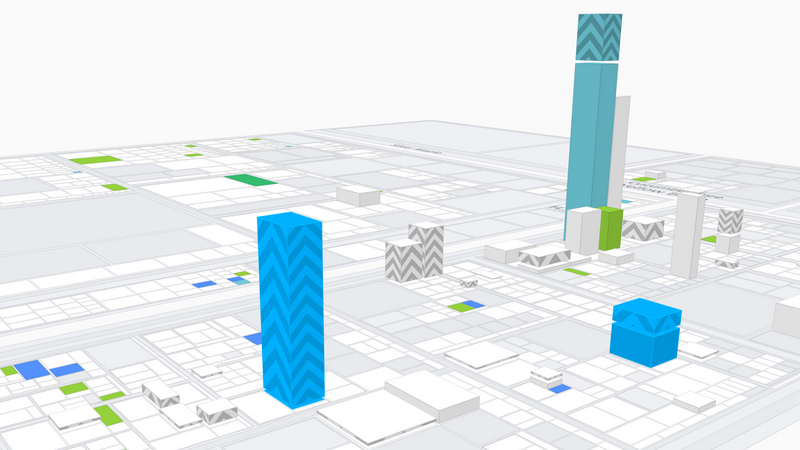
TASAM
TASAM investigates and develops information visualization techniques used for temporal, animated software analytics maps.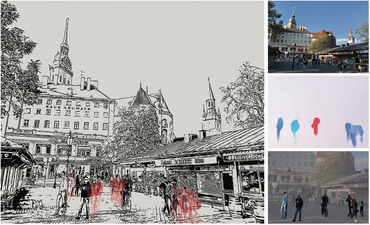
mdViPro
mdViPro investigates and develops AI-based methods and techniques that abstract, stylize, and generalized multidimensionale visual media contents.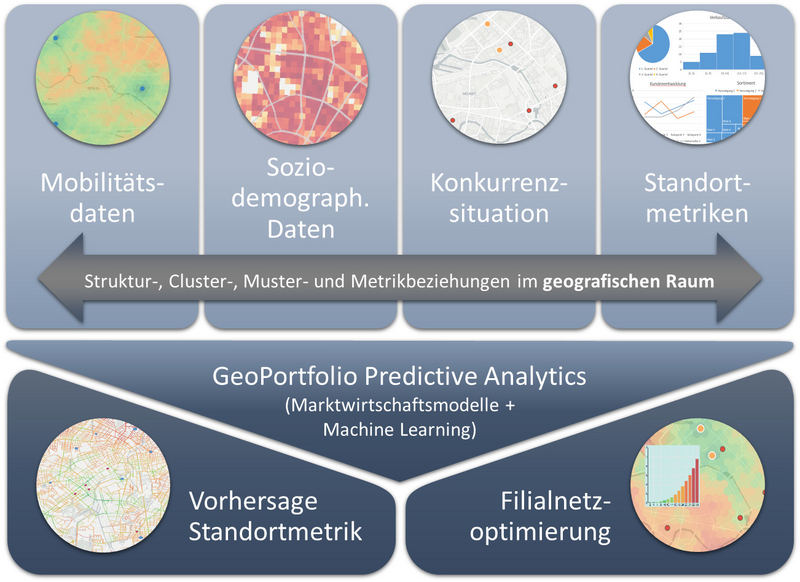
Geoportfolio
Geoportfolio aims at developing analytics instruments that allow for understand, evalute, and visualize location-based characteristics such as for shop locations and point-of-sales.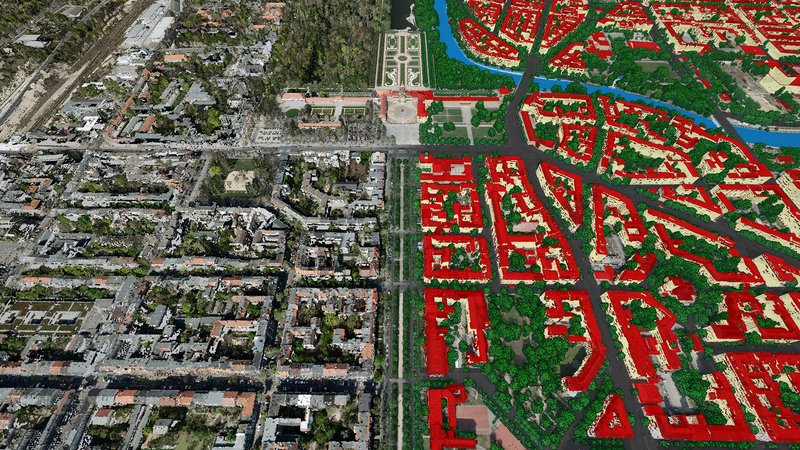
PunctumTube
PunctumTube investigates and develops methods and techniques for the AI-based processing of massive 3D and 4D point cloud data.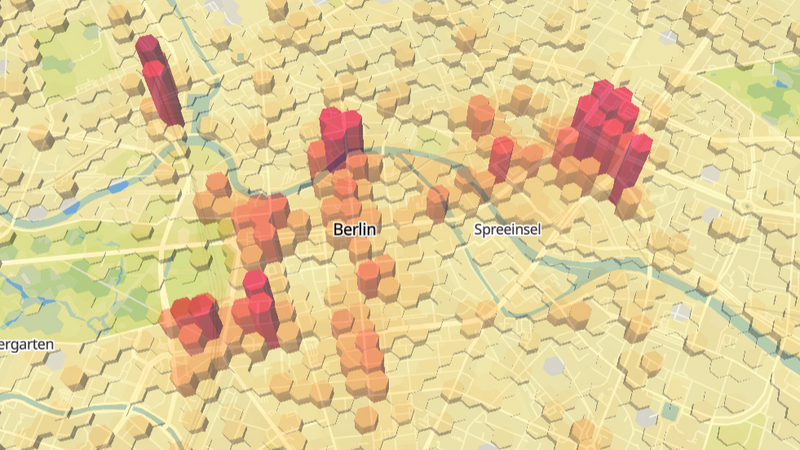
MobiDyn
MobiDyn investigates how to generalize and consolidate spatial trajectory data.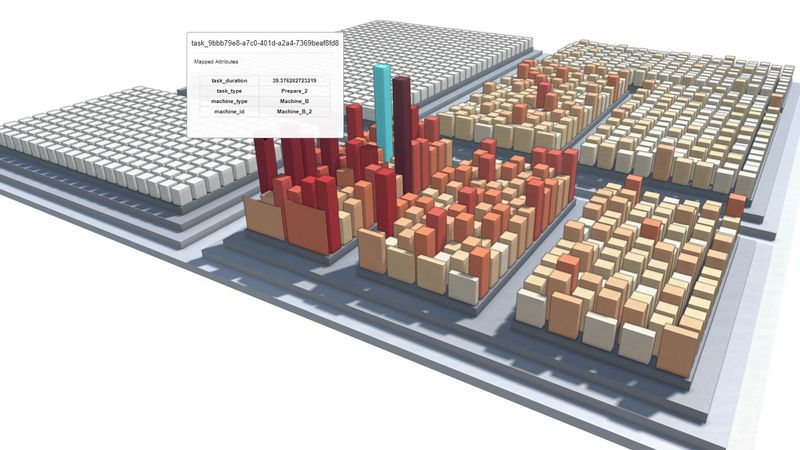
IBDAV
IBDAV concentrates on machine sensor data and its integration into information systems.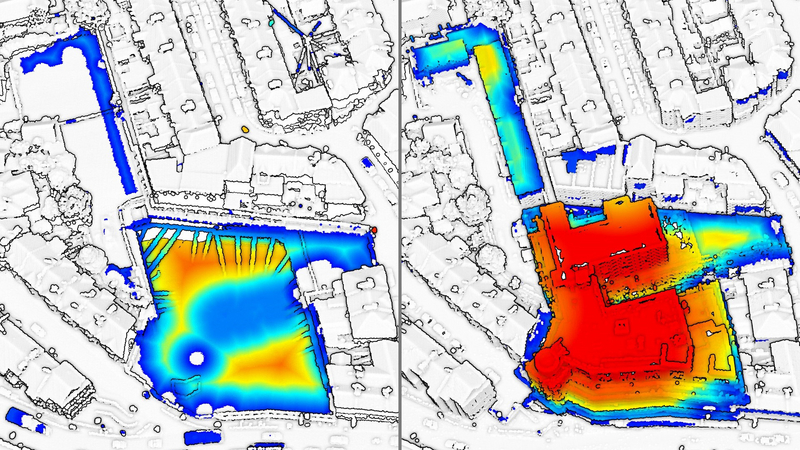
QViZO
QViZO investigates methods and virtualization techniques for temporally changing spatial environments using multi-sensor systems.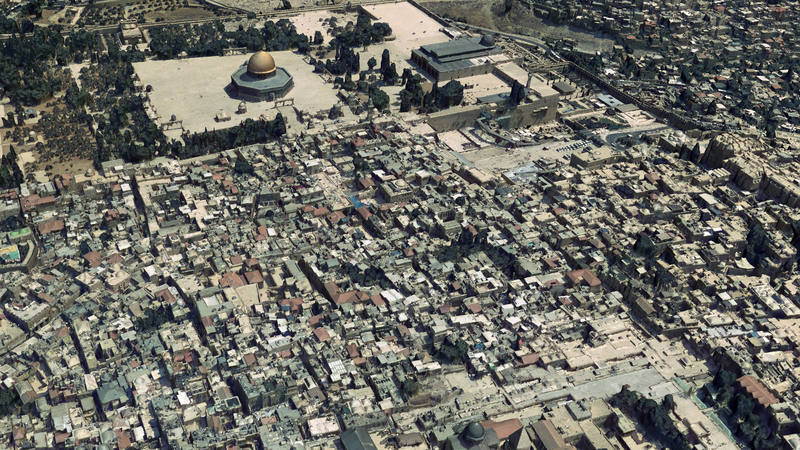
East Jersualem Virtual 3D City Model
Towards social inclusion in community development by providing platforms for planning and advocacy.
Selection of Past Projects
- BMBF Research Group "4DnD-Vis" (InnoProfile Transfer)
- BMBF Research Group "3D Geoinformation" (InnoProfile)
- Web View Service - main contributions to the international standard of the Open Geospatial Consortium for the service-oriented computing used to provide interactive 3D scenes.
- LandXplorer - a system for modeling and visualizing virtual 3D city models, which laid the foundation of the Autodesk product "InfraWorks".
- OpenCSG - an open-source library for image-based constructive solid geometry.
- Virtual Rendering System MAM/VRS - a C++ toolkit for implementing 3D applications based on scene graphs and animation graphs.
Computer Graphics Systems
Hasso-Plattner-Institut für Digital Engineering gGmbH
Prof-Dr.-Helmert-Str. 2-3
14482 Potsdam, GermanyAssistant: Johanna Westphal
Room: H-2.15
Tel: +49 (0)331 5509-170
Fax: +49 (0)331 5509-172
Email: office-doellner@hpi.de